Many are familiar with the Planet Ocean series from Omega, a timeless classic, yet the 1948 model remains lesser-known. What makes the Planet Ocean Liquidmetal limited to 1948 pieces so special? And how does its counterpart compare? This article provides an in-depth overview, beneficial for anyone interested in the genuine Planet Ocean Liquidmetal 1948 or its counterpart.
Historical Background
The original inspiration for the Omega Planet Ocean is the Omega Marine, the brand's first diver’s watch and the world’s first diving watch. Originally, the Marine was part of Omega's Constellation series. The much-loved Seamaster first emerged in 1948, marking nearly 68 years of history.
The model discussed here was introduced by Omega in 2009, limited to 1948 pieces, and was the first to feature Liquidmetal as the bezel material. For several years after, Omega did not use Liquidmetal again until the release of 232.90.46.21.03.001, at which point the production of Liquidmetal watches increased significantly.
Design and Build Quality
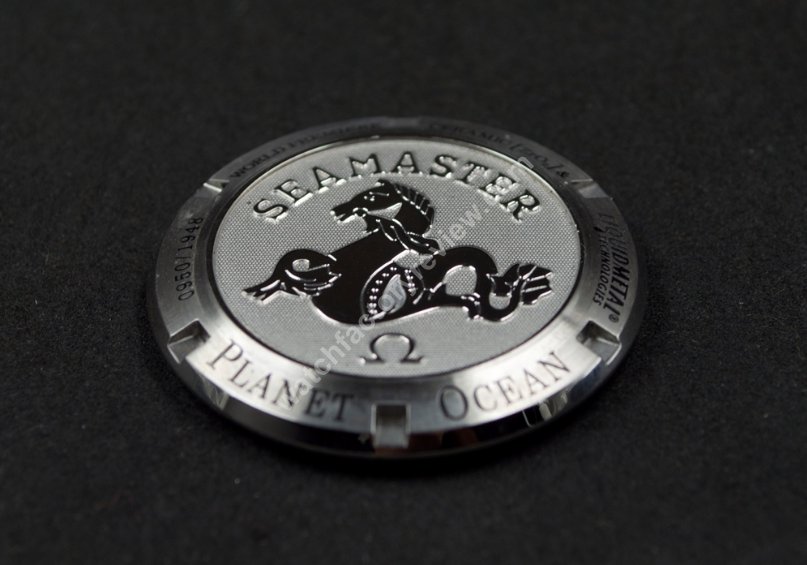
The watch comprises several components, including the three-piece case construction: the case, back, and soft iron anti-magnetic cover.
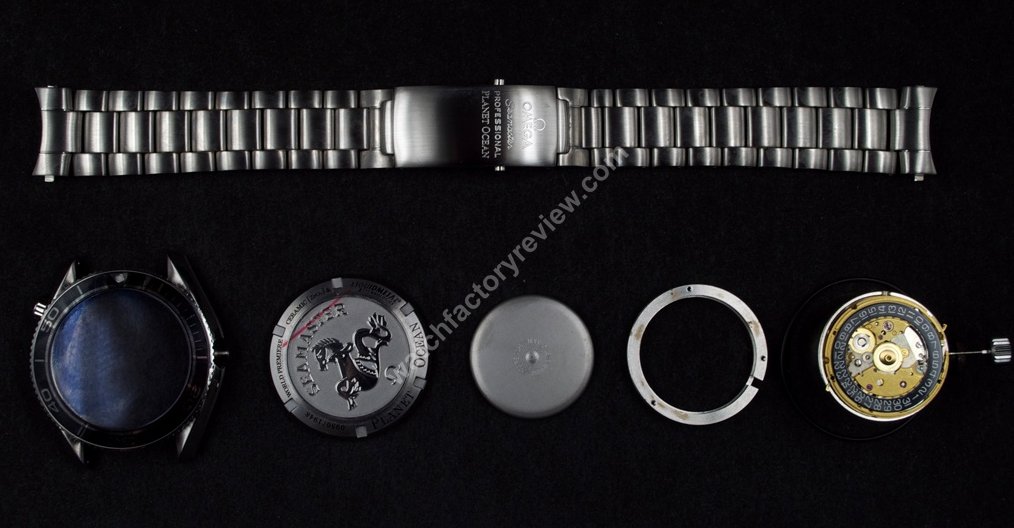
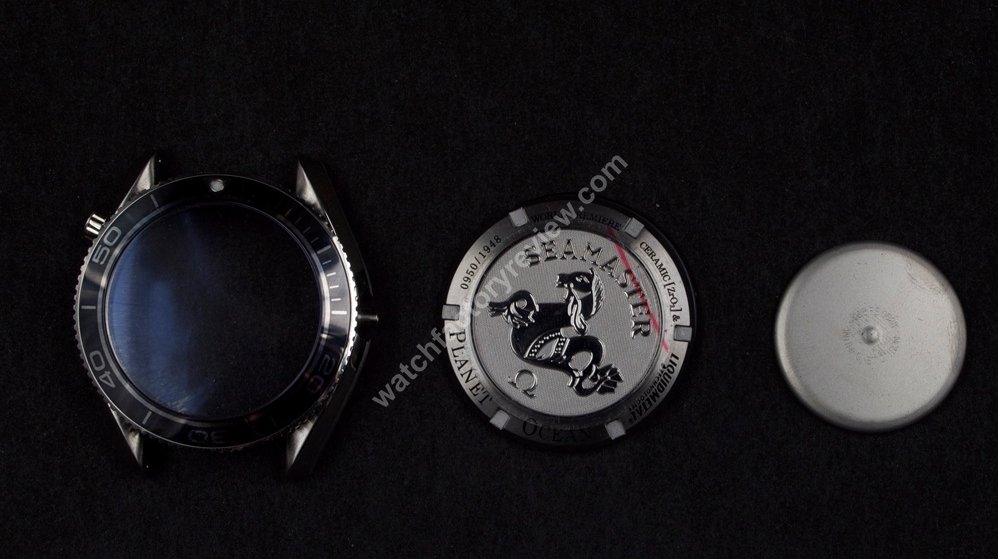
Case Details
Focusing on the case, the water resistance is a significant feature. The crown tube and gasket on the case back contribute to its effectiveness, although the helium valve is non-functional. The counterpart offers a water resistance of at least 150 meters, making it suitable for swimming and diving.
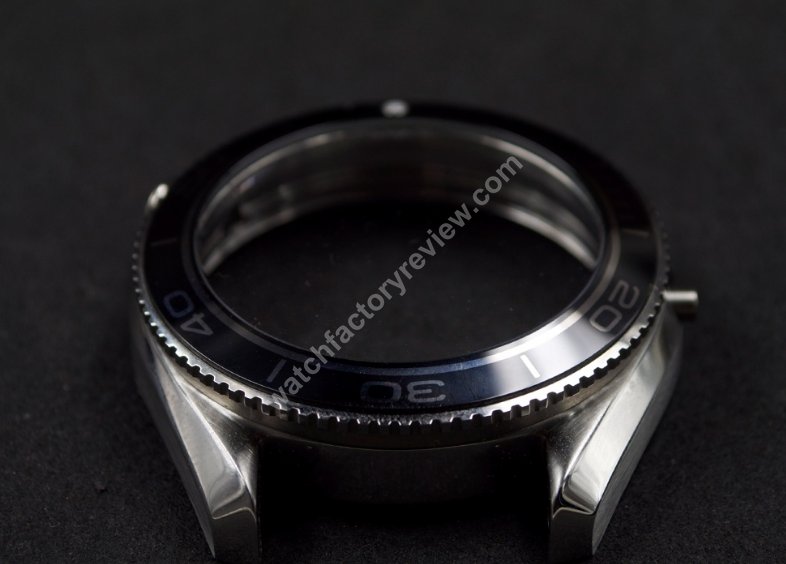
Bezel and Crystal
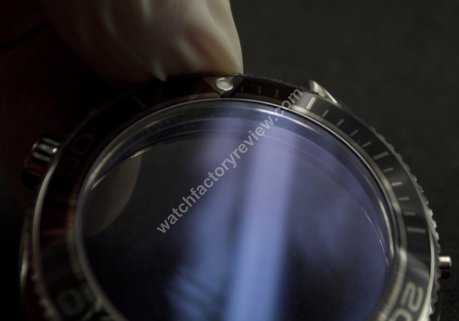
Swatch and Omega jointly developed Liquidmetal, a unique ceramic-like material that is robust and solid, now included in this counterpart. Given that the Liquidmetal 1948 was an early Omega creation, it featured a double-sided AR coating on the crystal. The counterpart's AR coating is remarkably similar to the genuine version.
Back and Antimagnetic Technology
Apart from the Liquidmetal bezel, the Planet Ocean 600M Liquidmetal 1948 is the final model in the Planet Ocean 600M series with a solid case back. With the introduction of the Omega Cal.8500 movement, Omega showcased its movement openly, making this model the last to utilize soft-iron antimagnetic technology.
Movement
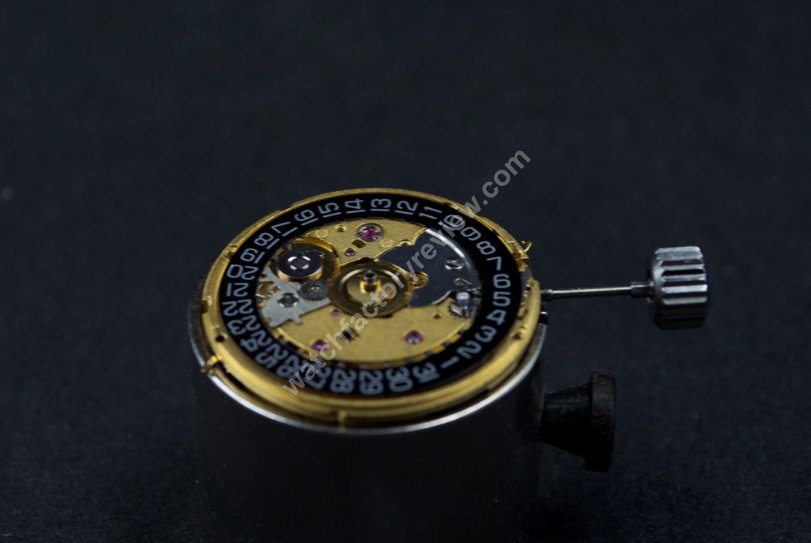
This counterpart is powered by a genuine Swiss ETA 2824-2 movement.
Dial, Hands, and Lume
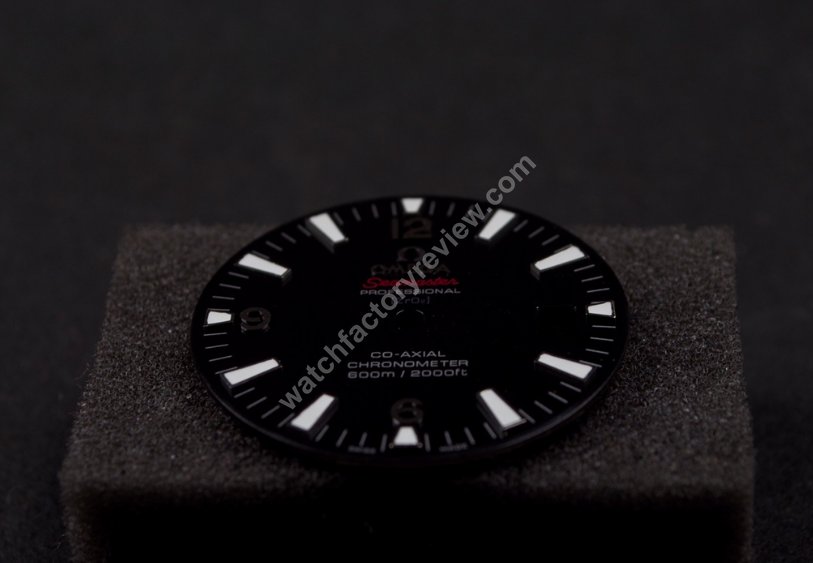
The dial is made from zirconium dioxide, a material Rolex uses in its Submariner models, known for its durability and resistance to corrosion. However, care must be taken during installation to prevent scratching by metal. The lume is crafted from SuperLume material, emitting a blue light that closely resembles the genuine product.
Bracelet Features
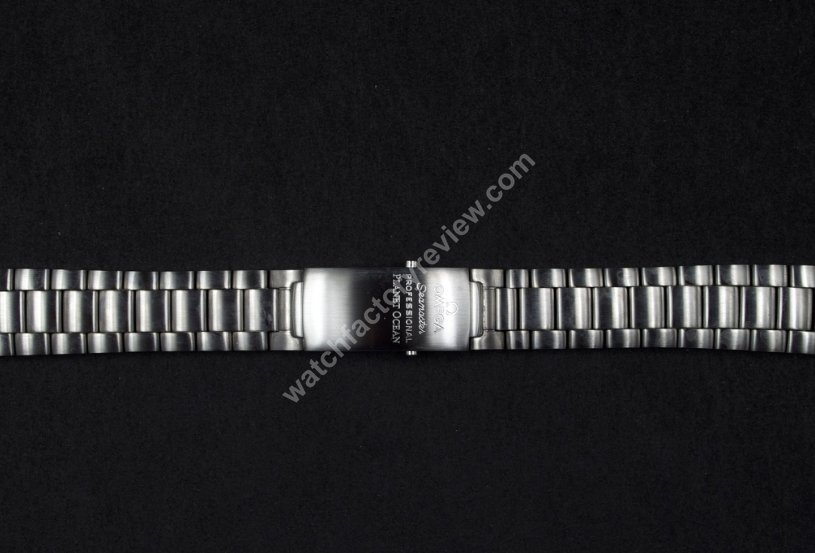
With features like a diver’s extension and accurate engravings, these are key attributes of a high-end Planet Ocean Liquidmetal counterpart.
Conclusion
This overview of the counterpart Omega Planet Ocean Liquidmetal 1948 serves as a guide. Future discussions will delve into more brand histories through these timepieces, enhancing your understanding. Thank you for your attention.